




ABOUT THE LECTURE:
Georgij Gurdjieff was born in Armenia around 1870. His questions—Who am I? Why am I here?—found no answers in religion or science. However, he suspected that truth lay in the past, within religious traditions and the mysterious myths and legends he had learned from his father, a traditional bard or “ashok.” Alongside like-minded companions, he embarked on a journey in search of truth, traveling through Asia and Africa, learning multiple languages, and acquiring numerous practical skills.
In 1912, he brought an unknown teaching to Moscow—neither a religion nor a philosophy, but a practical knowledge meant to be lived. He called this teaching the Fourth Way.
To follow the path Gurdjieff proposed, one must not believe in anything until it has been verified through direct experience. This is a path through life in which—gradually, as it cannot be done all at once—everything must be questioned: beliefs, assumptions, attitudes, and one’s entire perspective on life on Earth.
“Man is asleep,” Gurdjieff said, “he has no true consciousness or will. He is not free; everything just ‘happens’ to him. But he can become conscious and find his true place as a human being in creation, though this requires deep transformation.” Gurdjieff calls us to awaken: “Man’s possibilities are immense. You cannot even conceive of a shadow of what he is capable of achieving. But nothing can be accomplished in sleep.”
During the lecture, members of the G.I. Gurdjieff Association in Poland will share their experiences with the practice of the Work, which continues the tradition passed down by the direct successors of G.I. Gurdjieff’s teaching.
ABOUT THE SPEAKER:
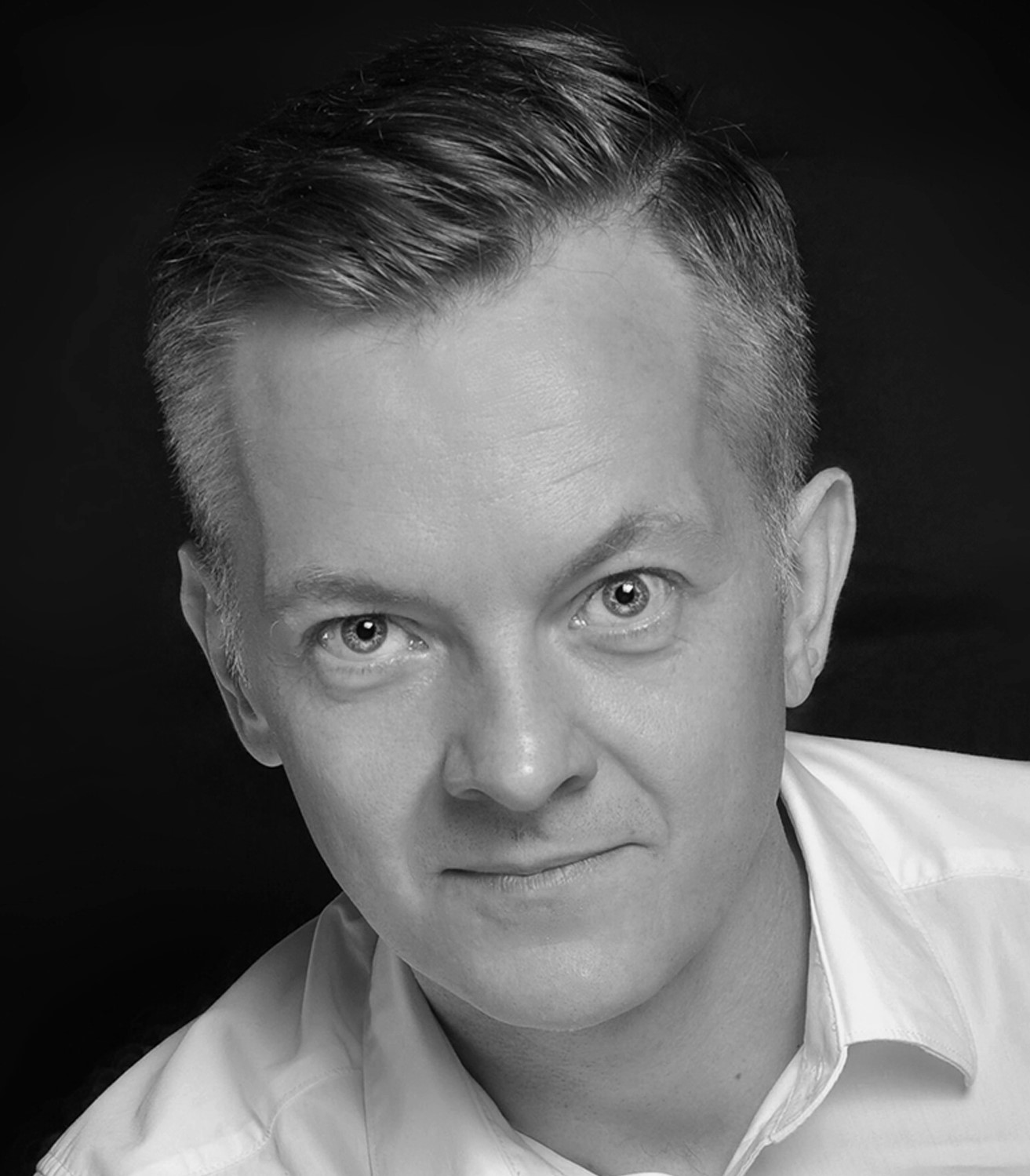
Łukasz Chojnacki has been associated with the Gurdjieff Association in Poland since 2009. His deep interest in human decision-making led him to study at the Faculty of Psychology at the University of Warsaw, where he explored various psychological approaches, psychotherapy paradigms, and self-awareness methodologies. However, it was the Fourth Way—with its comprehensive and convincing approach to self-knowledge—that allowed him to embark on a more focused and less scattered path of inner work.
In his daily life, Łukasz is an entrepreneur with a strong technical and educational inclination. He runs a company specializing in metals and lectures on the history of metals in their monetary function. His interests also include sports and the study of historical cycles.